Emergency scenarios
Choose a scenario to learn what to do and how to prepare. Everything here is general guidance grounded in official sources such as the BBK, the EU and the WHO.
Your country: official maps, warning app and emergency numbers
Your location is used only in your browser to find your country. It is never sent to us.
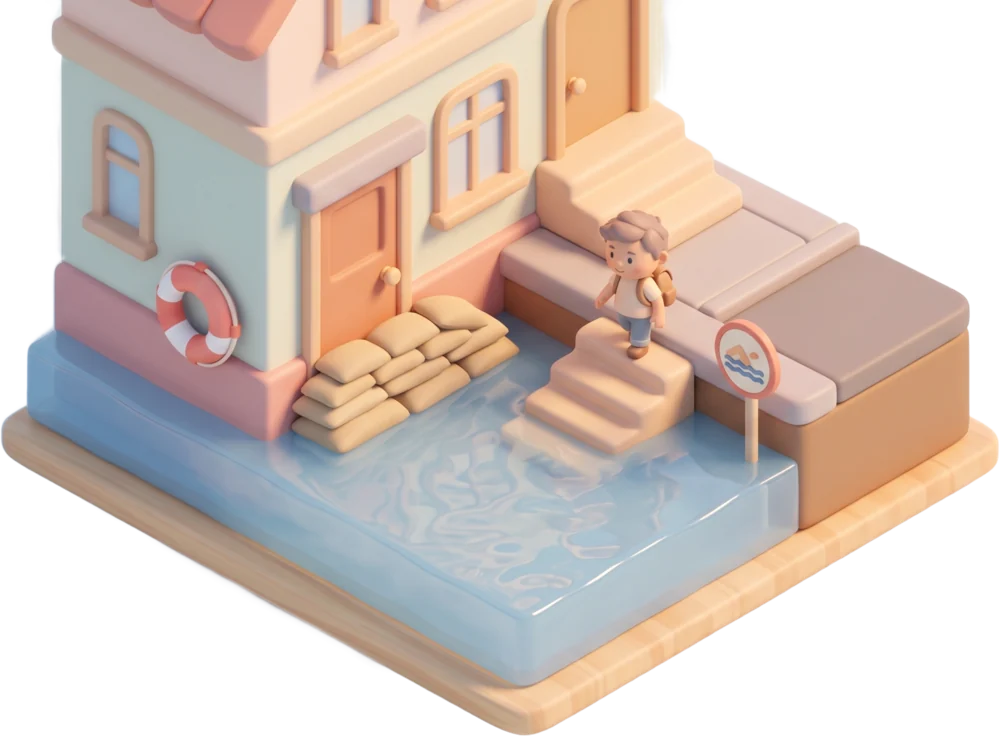
Flooding
Water can rise fast — move to higher ground early, stay out of flood water, and keep your documents and warning apps ready.
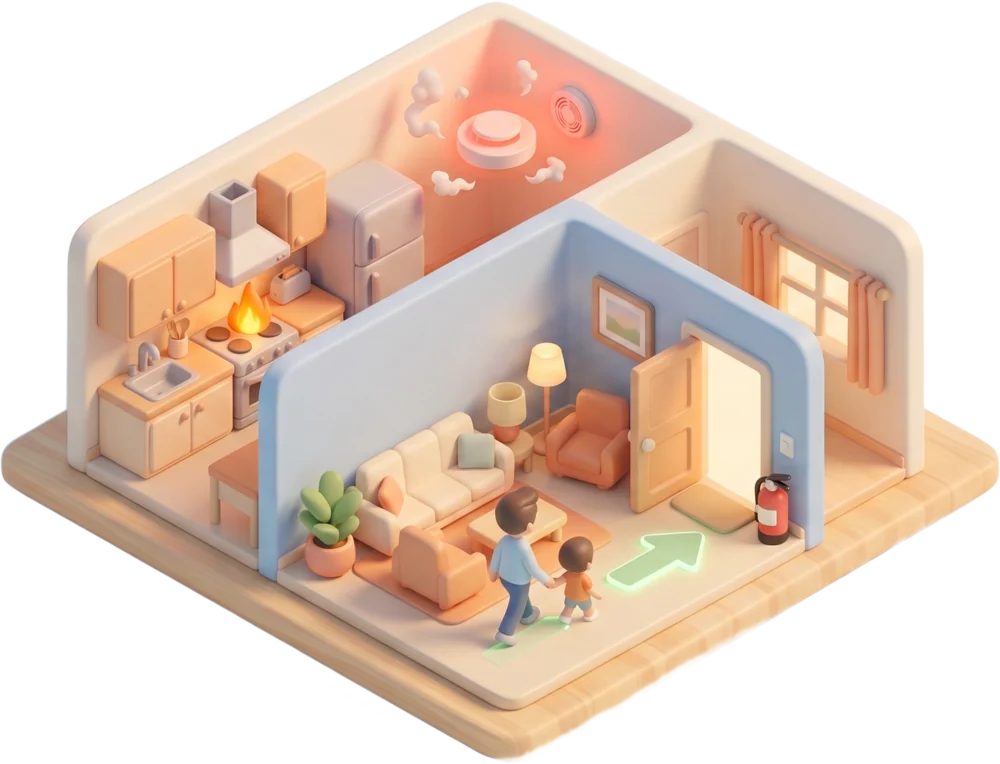
Fire
Working smoke alarms and a practised escape plan give you the seconds you need to get out alive.
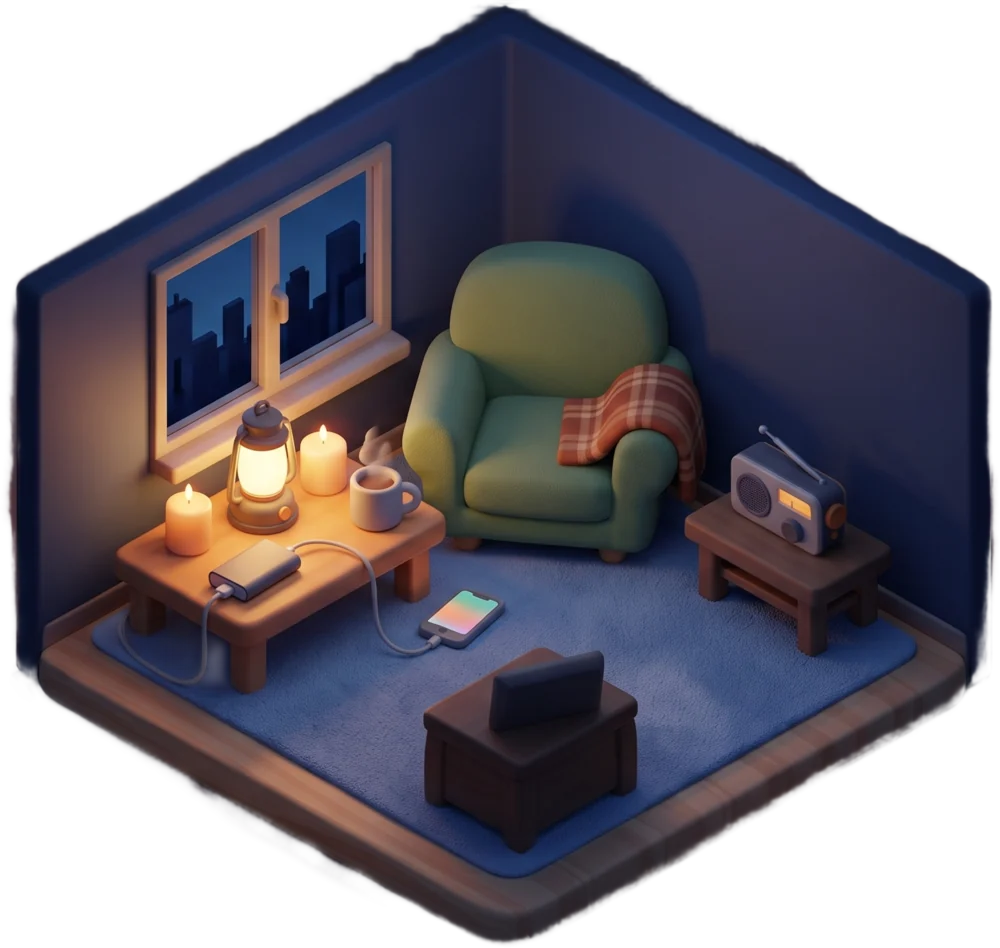
Power outage / blackout
Stay warm, informed, and safe when the electricity stops — from a short cut to a multi-day blackout.
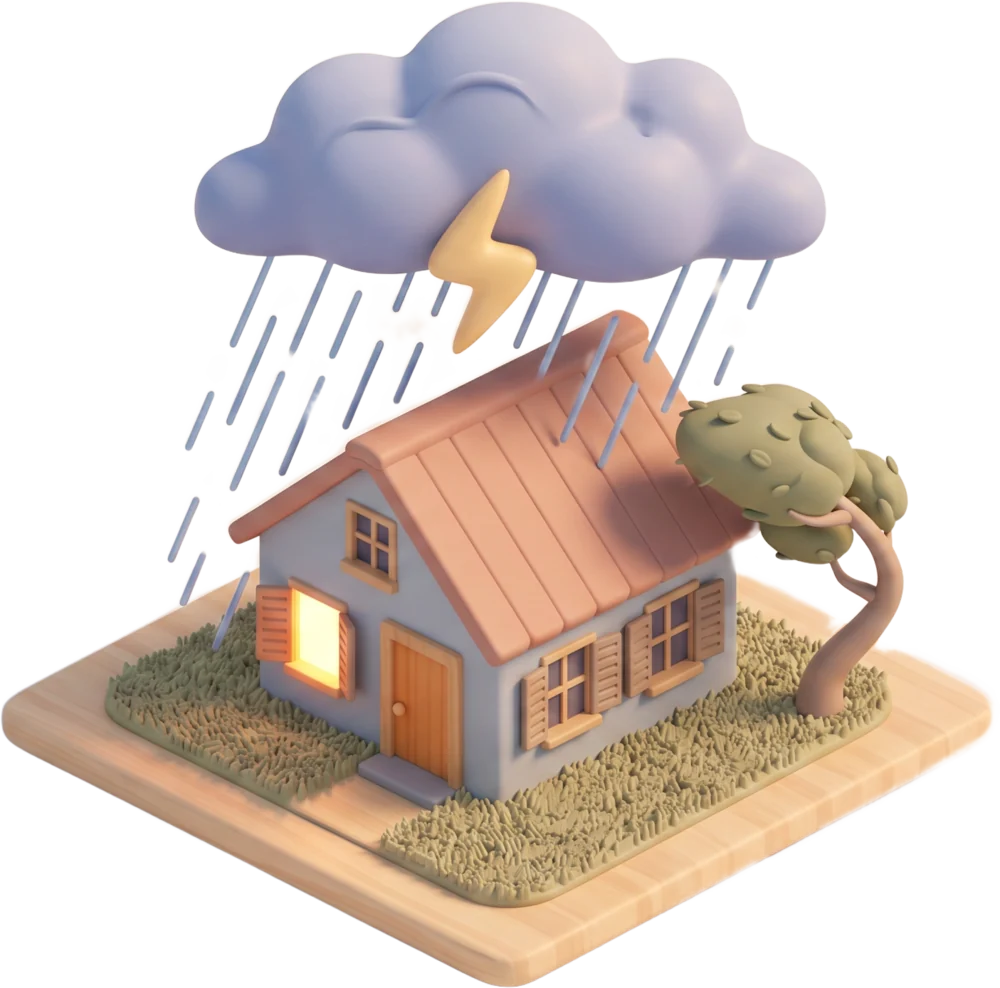
Severe weather
Stay safe through storms, hail, lightning, extreme heat, and extreme cold.
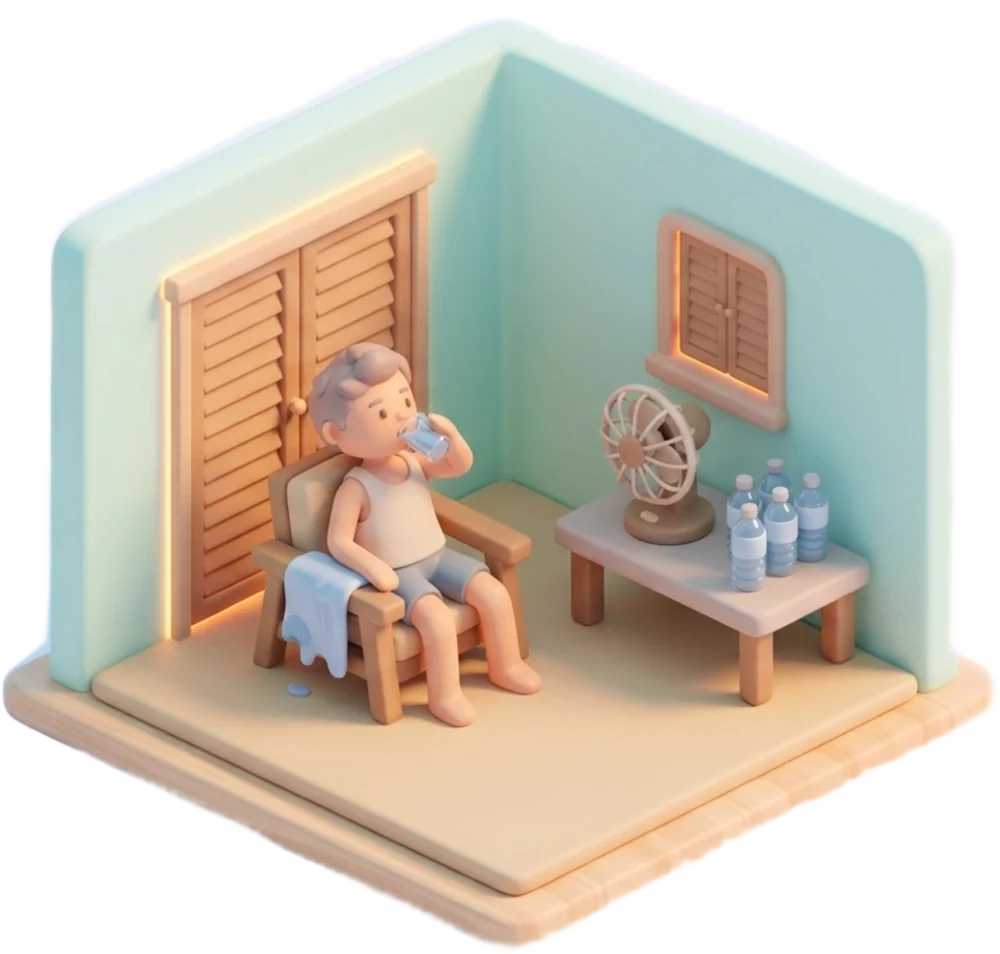
Heatwave
Cool down, drink water if fully awake, check on neighbours — heat kills quietly in Europe every summer.

Pandemic / infectious disease
Stay informed, protect yourself and others, and be ready to isolate calmly at home.
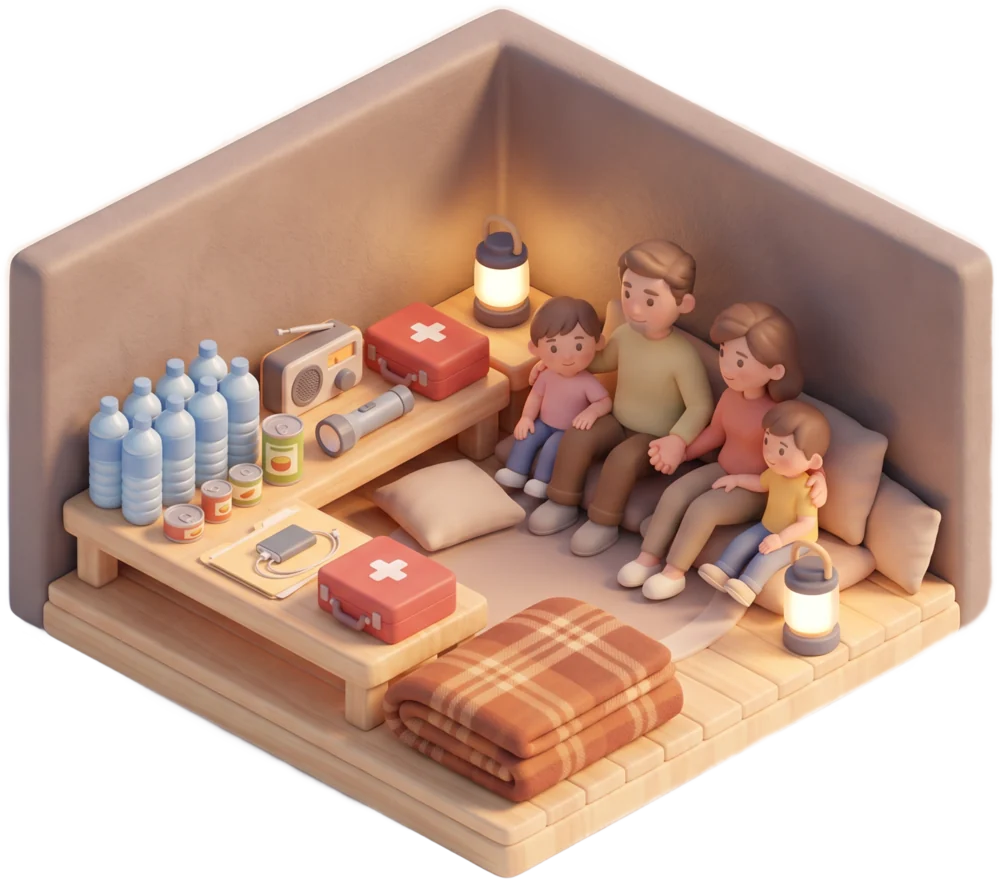
Armed conflict
Stay safe if armed conflict reaches your region: shelter smart, follow official alerts, and be ready to act.
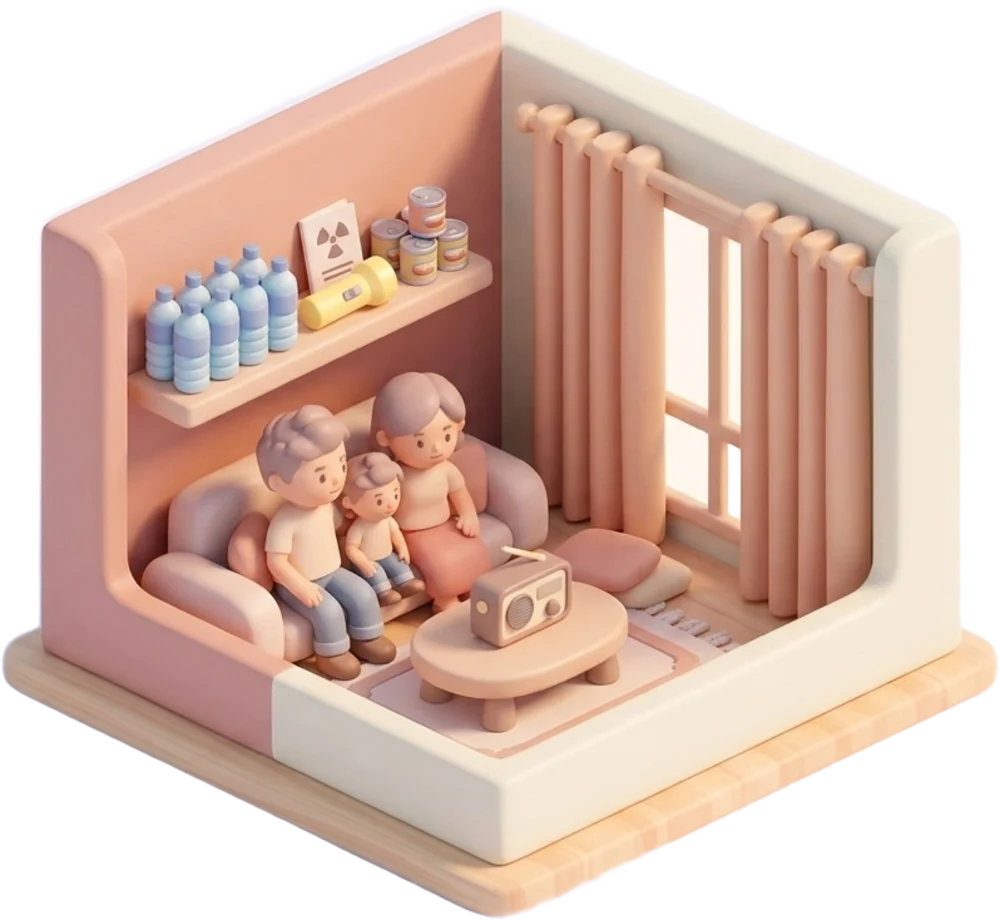
Nuclear / radiological event
Go in, stay in, tune in — shelter first; take iodine only if authorities tell you to.

Chemical / industrial accident
Shelter in place: close windows, shut ventilation, go upstairs for heavy gases — leave only if told.

Earthquake
Drop, Cover and Hold On — then exit carefully when shaking stops; expect aftershocks.
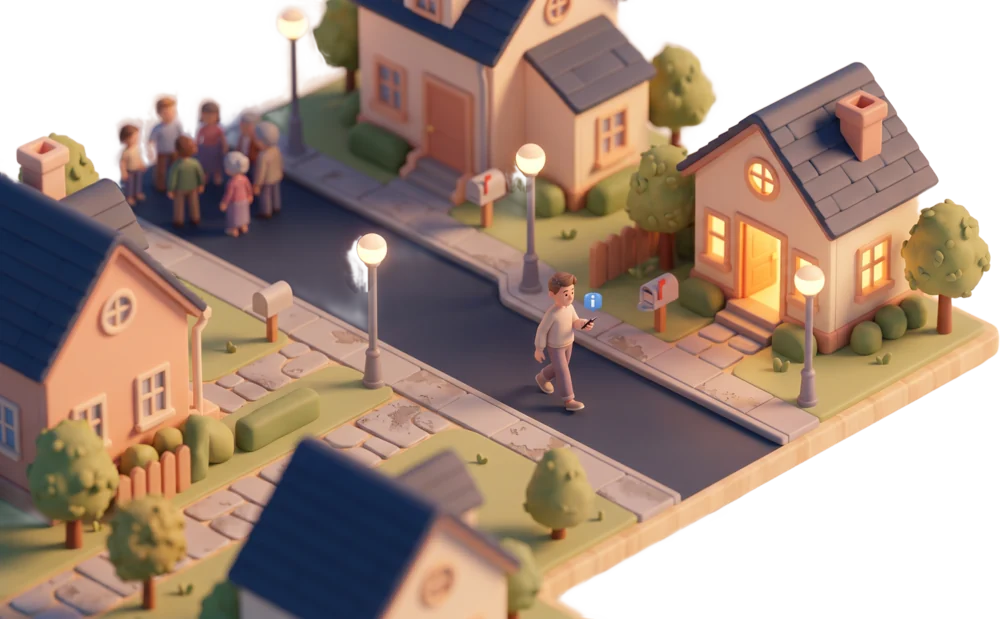
Civil unrest
If a protest turns violent, move away calmly, avoid crowds and confrontation, and follow police instructions.
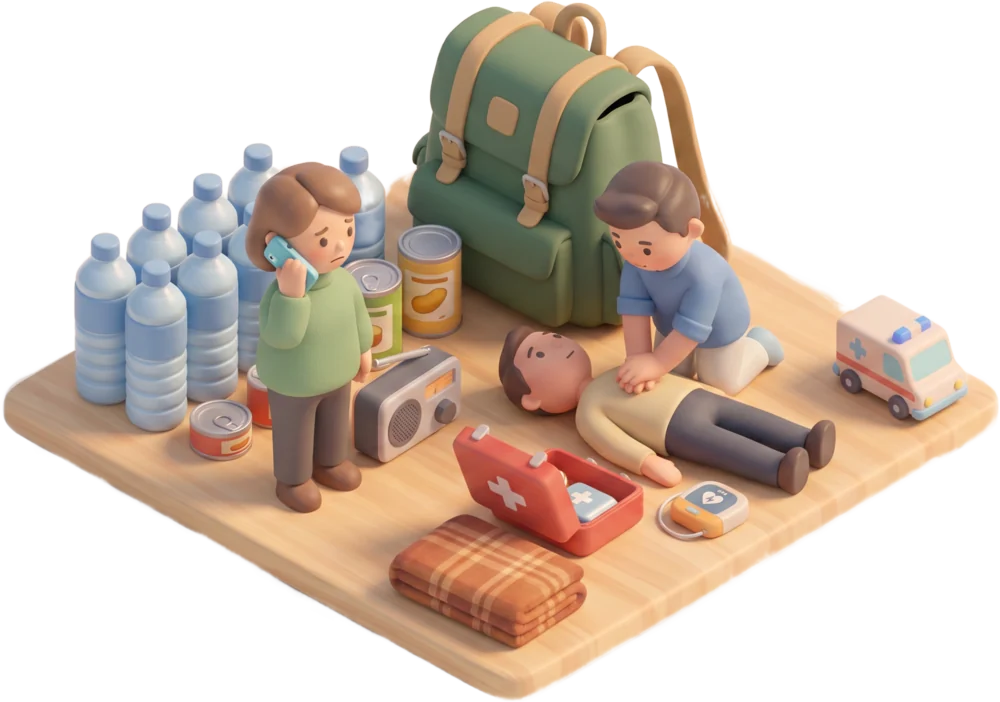
Medical emergency
Recognise a life-threatening emergency, call 112, and give first aid until help arrives.
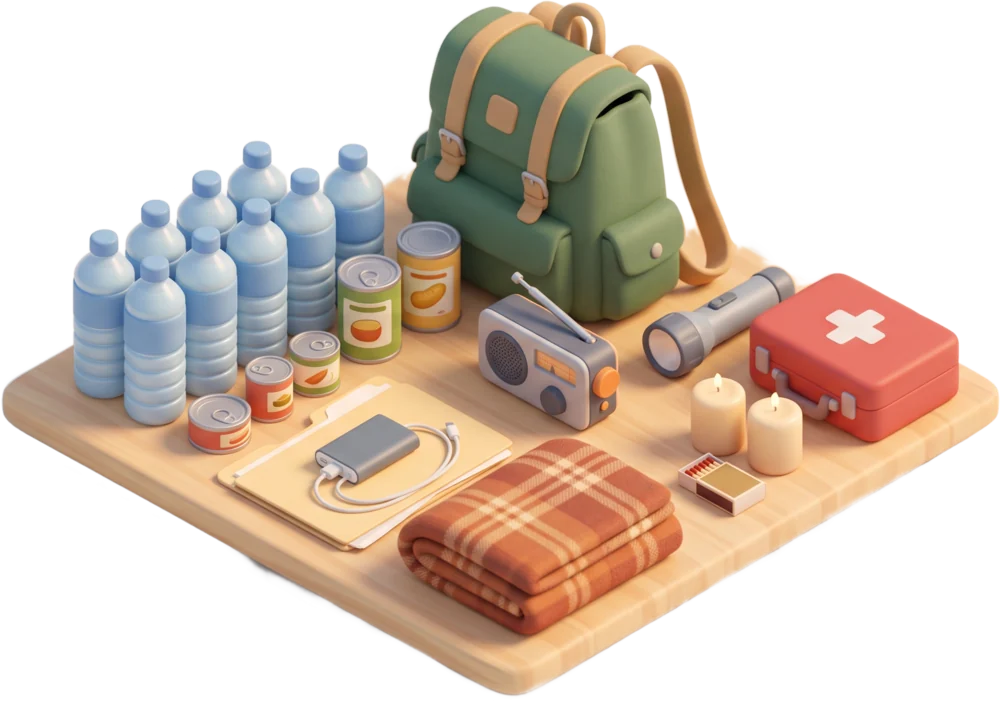
General preparedness
The foundation plan everyone should have: supplies, a plan, and a way to stay informed when normal services fail.