Track this checklist in your personal plan.
General preparedness
The foundation plan everyone should have: supplies, a plan, and a way to stay informed when normal services fail.
Official maps and warning channels for Germany
Whether your street is affected is answered only by the official maps for your area.
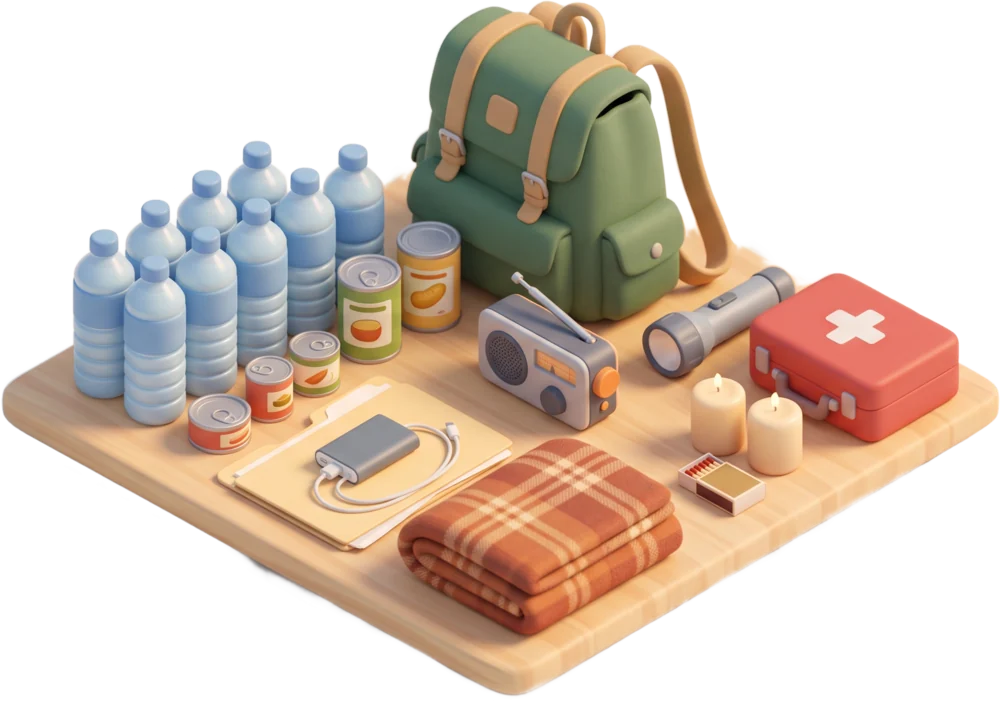
Open NINA (Germany)Most emergencies — a power cut, a storm, a flood, a heating or water outage — can be handled calmly if you have prepared a little in advance. The goal is simple: be able to look after yourself and the people in your household for several days without outside help, until services are restored. Official guidance across the EU (Germany's BBK, the EU Civil Protection service, WHO and the Red Cross/Red Crescent) all point to the same basics: a small store of water and food, a way to get warnings and stay in touch, copies of key documents, some cash, light and power, and a plan your household has agreed on. You do not need to buy everything at once or spend a lot. Build your supplies gradually, use what you already have, and check them once or twice a year. Preparation is not about fear — it is about being ready so that a crisis is an inconvenience, not a disaster. In any life-threatening situation, call 112, the EU-wide emergency number.
When it is happening
Only if this scenario is imminent or already underway — not everyday preparation. For prep ahead of time, see How to prepare and the checklist below.
When a warning arrives or something happens
- 1Stay calm and keep yourself and others safe first.
- 2Call 112 if there is a life-threatening emergency (fire, injury, danger to life).
- 3Check official sources: warning apps, radio, or local authority channels.
- 4Follow instructions from authorities exactly — including any order to shelter or evacuate.
Get informed and stay connected
- 1Turn on a battery or hand-crank radio if power or internet is down.
- 2Send one short message to let family know you are safe, then keep the network free.
- 3Charge phones and power banks while electricity is still available.
- 4Avoid spreading unverified rumours; trust only official information.
Protect your home and supplies
- 1Bring your emergency kit and go-bag to one place you can reach quickly.
- 2Fill clean containers and the bathtub with water if an outage is likely.
- 3Switch off appliances you do not need to save power and reduce fire risk.
- 4Help neighbours who may need support, such as older or disabled people, if it is safe to do so.
Important safety warnings
- In any life-threatening emergency, call 112 immediately — it works across the EU, free, from any phone.
- Never run a generator, petrol heater, barbecue or camping stove indoors or in a garage — carbon monoxide is invisible, odourless and can kill within minutes.
- Never use candles or open flames unattended, especially near curtains or when tired — have a torch as the safer first choice.
- Do not drink water you are unsure about; if authorities issue a boil-water notice, follow it exactly.
- Do not ignore official evacuation or shelter orders, and never return to an evacuated area until authorities say it is safe.
- Do not rely only on your mobile phone — networks and power can fail, so keep a battery radio and written contacts as backup.
How to prepare
Stock water and food
- 1Store about 2 litres of drinking water per person per day for several days (aim for at least 3 days, ideally up to 10).
- 2Add extra water for cooking and basic hygiene.
- 3Keep a supply of non-perishable food that needs no cooking or fridge, such as tinned goods, rice, pasta, nuts and long-life milk.
- 4Choose foods your household actually eats, and note expiry dates.
- 5Keep a manual can opener and don't forget food and water for pets.
Build an emergency kit and go-bag
- 1Pack a battery or hand-crank radio and spare batteries.
- 2Add torches, power banks and chargers; candles with matches or a lighter only as a backup — battery light is safer.
- 3Include a first-aid kit and any regular medication, plus a list of doses.
- 4Keep warm clothing, blankets, sturdy shoes and basic hygiene items.
- 5Prepare a small packed bag by the door in case you must leave quickly.
Secure documents, cash and medicine
- 1Make copies of ID, passport, insurance, health card and important certificates.
- 2Keep copies in a waterproof folder and a digital copy you can access.
- 3Keep some cash in small notes and coins — card machines may not work in a power cut.
- 4Keep at least a week's supply of essential medication and know how to store it.
Make a household plan
- 1Agree a family meeting point and an out-of-area contact everyone can call.
- 2Write down emergency numbers, including 112, on paper.
- 3Learn where to turn off your water, gas and electricity.
- 4Install and test the official warning app NINA and check smoke alarms.
- 5Talk through the plan with everyone, including children, and practise it once.
Good to know
- 112 is free in Germany and across the EU, works without credit and over any available network. Without a SIM card an emergency call is not possible in Germany – the card must be in the phone.
- Germany uses cell broadcast ("DE-Alert") to send warnings straight to your phone — no app or signup needed; keep your phone software updated so you receive them.
- In Germany, the free NINA app (from the BBK) gives official warnings; KATWARN is a second warning app — install at least one of them.
- Build supplies gradually and rotate them: eat and replace stored food before it expires so nothing is wasted.
- You do not need a bunker or huge stockpile — official guidance is about a few days of self-sufficiency, not months.
- As part of its 2025 Preparedness Union Strategy, the EU encourages everyone to be able to cope on their own for at least the first 72 hours of a major crisis — a practical baseline for the water, food, medicines, light and warnings you keep ready.
- Warning sirens and public alerts are tested regularly; learn what the signals in your area mean so a real alert doesn't surprise you. Not every place still has sirens.
Preparedness checklist
The concrete steps for this scenario. Add them to a plan to track your progress.
Actions
- Install the NINA warning app and enable alertsEssential
Official alerts reach you fastest by phone: Germany warns via cell broadcast ("DE-Alert"), which needs no app or sign-up if it is enabled in your settings. Install a warning app on top — NINA or KATWARN — and re-check both channels after each nationwide warning day, held every year on the second Thursday of September (2026: 10 September).
- Agree a household meeting point and contact personEssential
When networks are congested and family members are scattered, a pre-agreed plan replaces frantic calling. Pick a meeting point everyone can reach on foot plus an out-of-area contact who relays messages, give every household member the numbers on paper, and walk through the plan together once or twice a year.
- Check and rotate supplies twice a year
Supplies only help if they still work on the day you need them. Twice a year — fixed dates such as the clock changes make it a habit — check food and medicine expiry dates, eat and replace anything close to its date, test torches and the radio, top up power banks, and swap self-filled water containers for fresh.
Supplies
- Store 2 L water per person per day for several daysEssential
Tap water can fail in many crises, so plan about 2 litres per person per day — roughly 1.5 L drinking plus 0.5 L cooking — for at least 72 hours; official German guidance suggests up to ten days. Keep sealed bottled water cool and dark, and refill self-filled food-grade containers roughly every six months.
- Stock non-perishable food that needs no cookingEssential
A pantry covering at least 72 hours — the EU baseline; official German guidance suggests up to ten days — keeps a crisis manageable. Pick shelf-stable foods you can eat cold, such as canned vegetables and fish, crispbread, nuts and UHT milk, stock only what you normally eat, and add a manual can opener.
- Pack a grab bag and keep it by the doorEssential
If you ever have to leave quickly, packing time is exactly what you will not have. Fill one sturdy backpack per person with water, snacks, personal medicines, a torch, a charged power bank, spare clothes, hygiene basics and document copies — enough for about 72 hours — and make sure everyone knows where it sits.
- Get a battery or hand-crank radio with spare batteriesEssential
When power and mobile networks go down, broadcast transmitters keep running, so radio remains the most reliable channel for official instructions. Choose a set with both FM and DAB+ reception and combined battery plus crank or solar power, and store spare batteries outside the device so leaking cells cannot ruin it.
- Keep torches, power banks and chargers readyEssential
Light and a working phone are the first things an outage takes away. Keep one LED torch or headlamp per person, standardise on AA or AAA so every spare fits every light, and add a USB-C power bank with Power Delivery in the 10,000-20,000 mAh class. Top it up every three to six months — stored banks self-discharge.
- Prepare a first-aid kit and about ten days of medicationEssential
Minor injuries and interrupted pharmacy access come with almost every emergency. Use the DIN 13157 workplace standard as a benchmark for a well-stocked home kit, check it yearly because sterile dressings expire, and arrange a reserve of any regularly taken prescription medicine with your doctor or pharmacist early.
- Add sturdy work gloves to your kit
Work gloves are on Germany's official BBK grab-bag list for a reason: after storms, floods or an evacuation you may handle broken glass, debris or hot and dirty surfaces. A simple pair of hardware-store work gloves (EN 388 as a benchmark) protects the hands you will need for everything else.
- Keep some cash in small notes and coinsEssential
Card terminals and ATMs stop working with the power, so electronic payment can fail within hours. The BBK recommends keeping cash in small notes; a common guide figure is roughly 70-100 euros per person plus some coins — about 72 hours' worth. Keep yours dry and discreet, in a fixed spot known only to trusted household members.
Skills
- Learn to shut off water, gas and electricity
A burst pipe or an electrical fault does far less damage if you can cut the supply fast. Find your main water valve, gas shut-off and electrical panel — ask your landlord or utility if unsure — and show every adult how to operate them. If you smell gas, touch no switches — close the valve, open a window and leave.
Know & check
- Copy key documents into a waterproof folderEssential
Replacing lost papers after a fire or flood can take months, so gather everything in one grab-ready folder whose location the whole household knows. Family certificates belong in it as originals, most other papers as certified or simple copies; add encrypted digital scans and deposit a duplicate set outside your home.
- Keep offline maps and a paper map of your area
When mobile data fails, phone maps go blank — official German guidance recommends downloading offline map areas for your home and work region in advance. Add one folded paper map (city or regional) to the kit and mark your meeting points on it; it needs no battery and works when everything else is down.
How to pack the grab bag
A starting-point schematic: bulky items at the bottom, heavy items mid-height close to your back, grab-first items on top, valuables on your body. Every bag is different — adapt the layout to your backpack and household.
Top of the main compartment
Quick to grab — what you need first
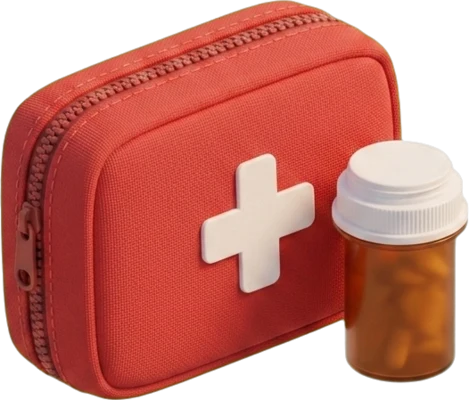 First aid & medication
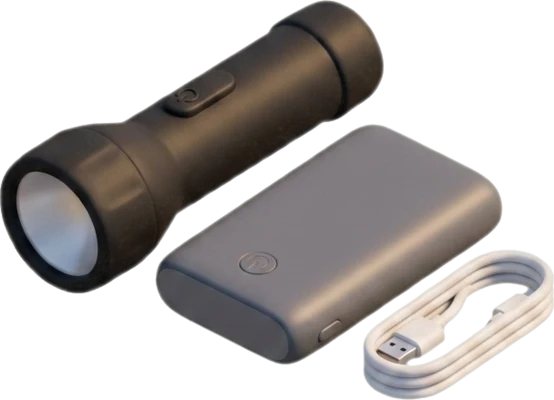 Torch & power bank
Middle, close to your back
Carry weight close to your body — easier on your back and balance
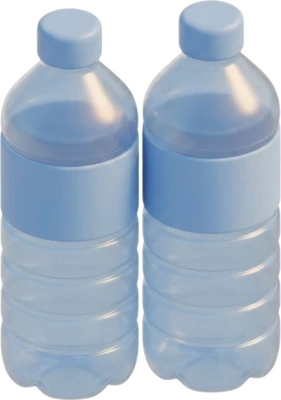 Water
Water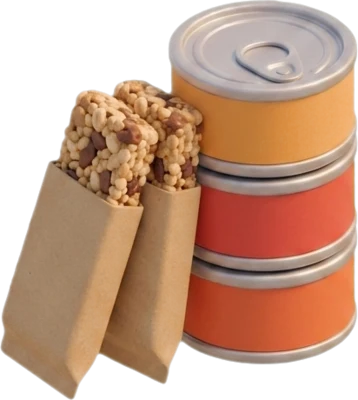 Food & snacks
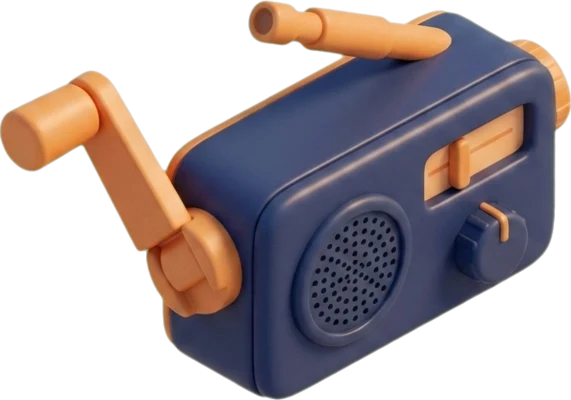 Crank radio
Bottom of the main compartment
Bulky, rarely used items pad the base
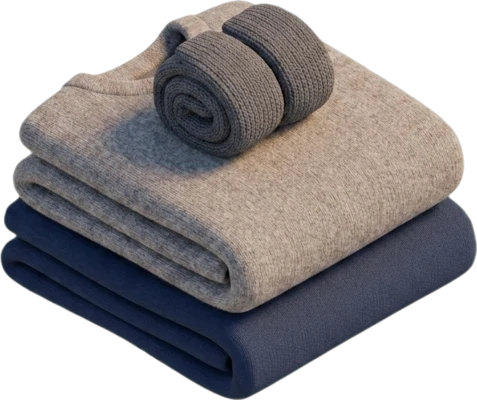 Spare clothes
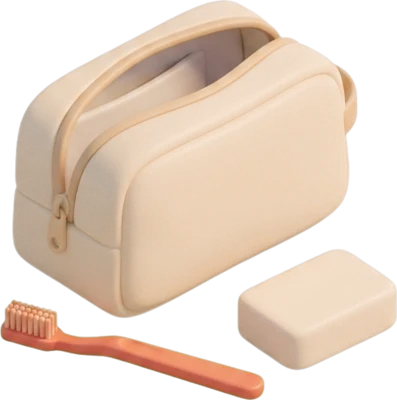 Hygiene basics
 Work gloves
Outer pocket or on your body
Protected and always with you — even when you set the bag down
 Document copies
 Cash
Cash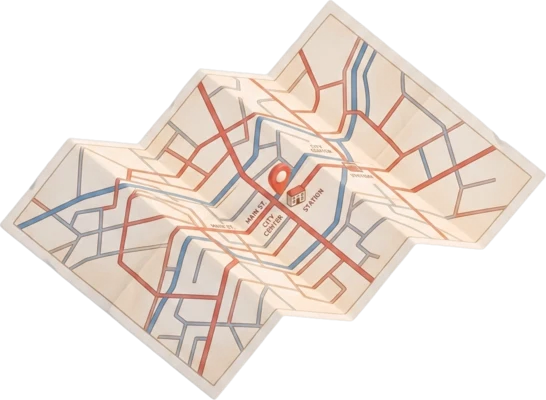 Paper map
Illustrative example, not a complete packing list — the checklist above is the reference. Pack one bag per person and check the contents about twice a year.
Official sources
- Federal Office of Civil Protection and Disaster Assistance (BBK) — preparedness · BBK (Germany)
- EU Civil Protection & Humanitarian Aid · European Commission
- WHO Health Emergencies Programme · World Health Organization (WHO)
- Prepare for emergencies / disaster preparedness · IFRC (Red Cross/Red Crescent)
- Preparedness Union Strategy — 72-hour self-sufficiency (2025) · European Commission
- 112 — the European emergency number · European Commission
Official sources in Germany
Content last reviewed: September 4, 2026